CD-17 Profile

The Lower Hudson Valley in New York State is the southernmost part of the Hudson River Valley, lying just north of New York City and forming a highly suburban, affluent, and historically rich subregion. It is generally defined as comprising three counties: Westchester, Putnam, and Rockland.

Location and geography

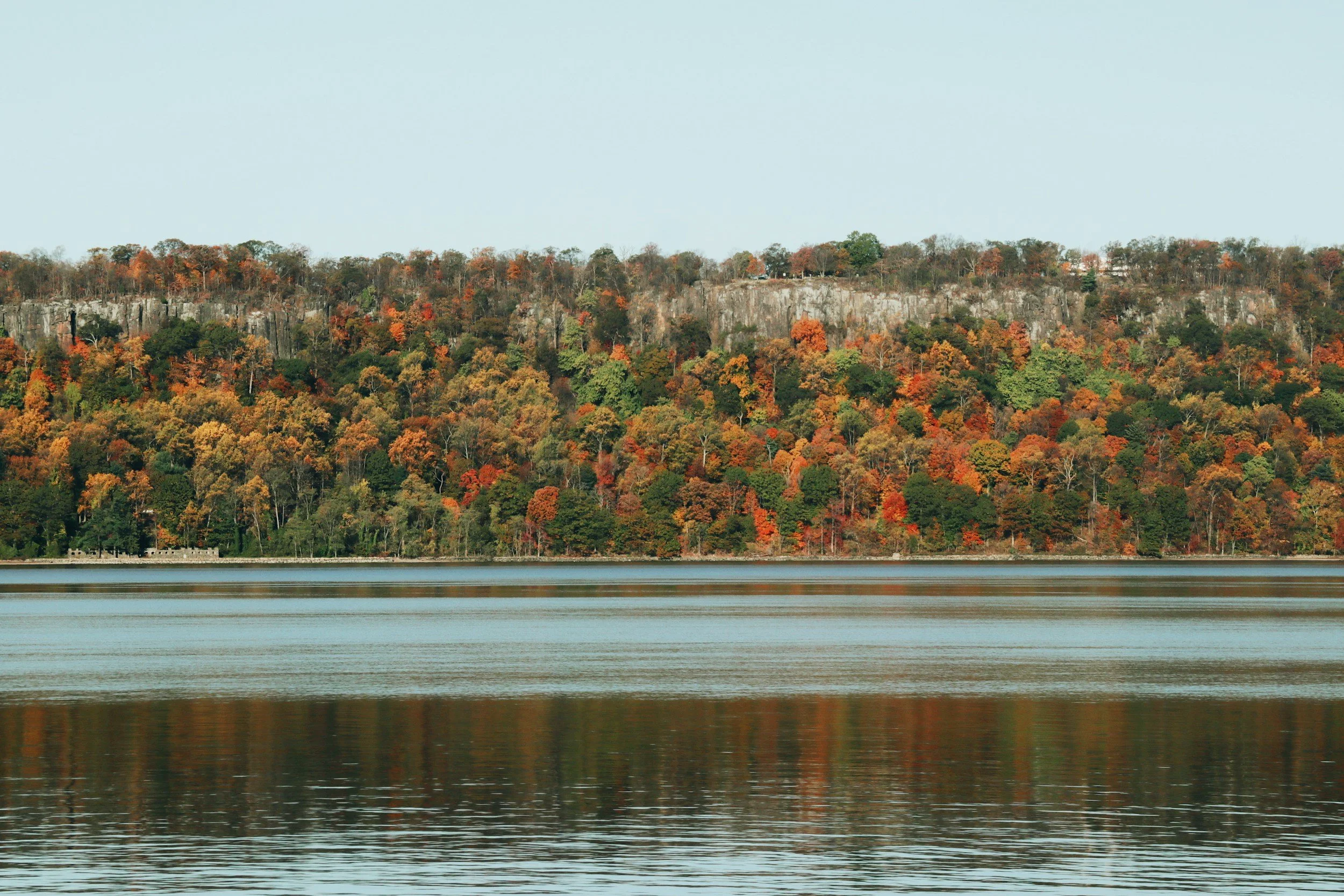
The Lower Hudson lies along the western and eastern shores of the lower Hudson River, extending from about Yonkers in the south up to the vicinity of Peekskill and the Hudson Highlands. The landscape mixes rolling hills, forests, riverfront bluffs, and marsh areas, with the Tappan Zee region and Bear Mountain-Harriman corridor forming one of its more dramatic scenic stretches.

Population and economy

The subregion is home to roughly 1.3-1.35 million people spread over about 900-plus square miles of land, giving it moderate to high population density compared with the rest of upstate New York. It is characterized by relatively high household incomes and low poverty for the region, with Westchester historically ranked among the wealthiest counties in the state. Economically, it functions largely as a commuter-rich suburbs of New York City, with a mix of finance-related services, healthcare, education, and tech hubs such as IBM's Yorktown Heights campus.

History and culture

European-American settlement in the Lower Hudson began in the 17th- and 18th-century Dutch colonial period, with prominent landholding families such as the Van Cortlandts and Philipses shaping early land use. In the 19th and early 20th centuries, the area became a retreat for wealthy New Yorkers, whose estates and country homes helped seed the Hudson River School of landscape painting and later major preservation efforts by families such as the Rockefellers.

Character today

Today the Lower Hudson Valley blends suburban sprawl with preserved parks, historic sites, and riverfront recreation, including the Hudson River National Heritage Area, Bear Mountain State Park, and the Rockefeller-related sites at Pocantico Hills. It also features a growing farm-to-table and regional-wine scene, and the region remains a key part of the New York-metropolitan commuter belt while trying to balance development with environmental and historic preservation.

Source: Perplexity